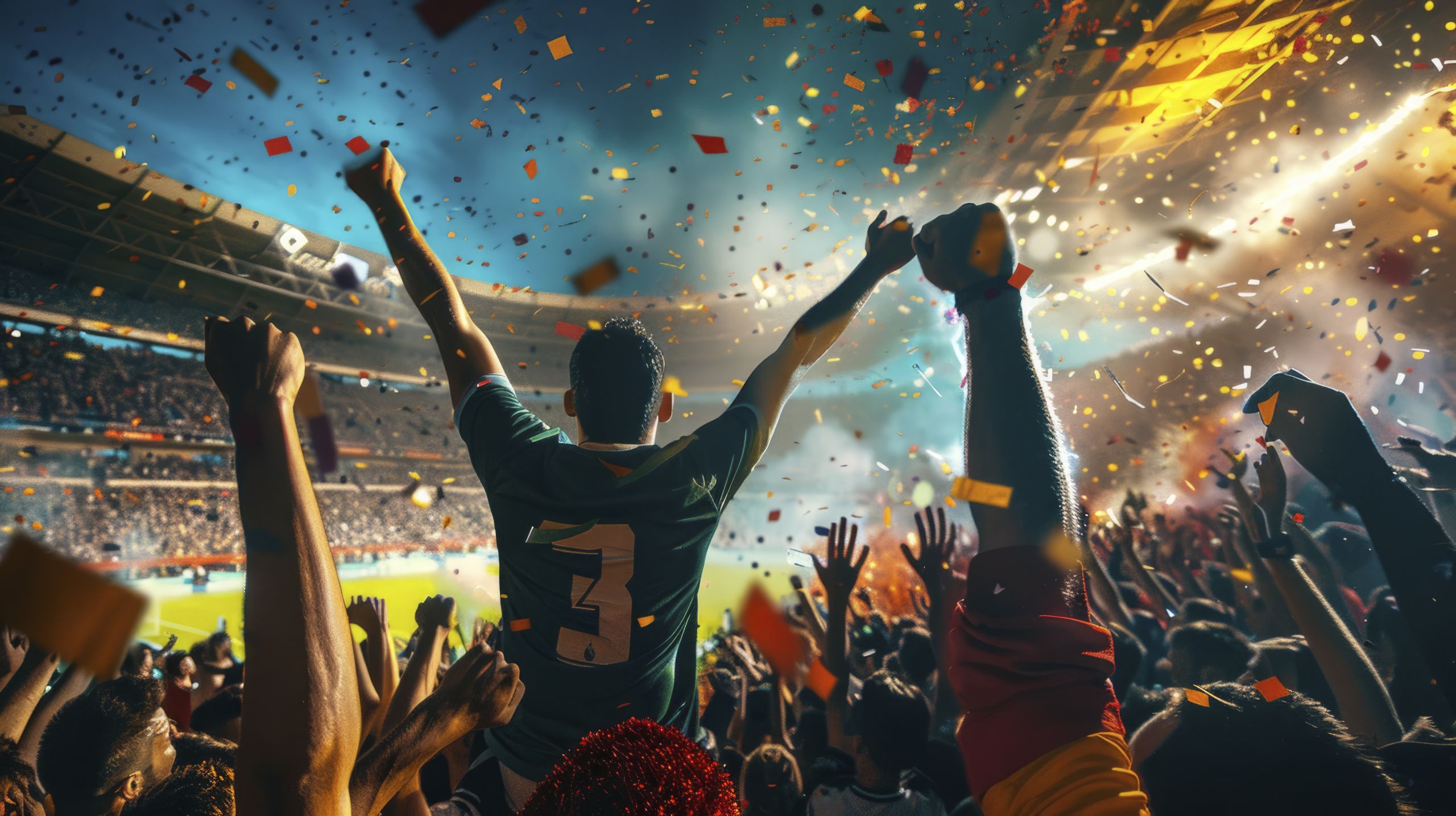
The 2026 World Cup is not simply the largest tournament in football history. For those of us who work in communications and marketing in Latin America, it is the most demanding test we have faced in a decade: ten teams from the region qualified, matches in prime time for the first time in years, and an audience that consumes the sport in ways that were unimaginable just one World Cup cycle ago.
Understanding that audience will be considerably more complex than finding a space for a brand during the tournament.
The Latin American fan of 2026 does not watch football in silence. 41% watch matches through digital platforms, and more than half use social media simultaneously while following the game on television. Every match is a 90-minute window of active conversation, not passive reception. And in that conversation, brands that show up with a prepared post after the goal have already arrived too late.
Listening has become a surprisingly scarce competitive advantage.
We continue to see strategies that treat the “Latin American fan” as a monolithic category. It is not. There is a casual fan who catches the spirit during key matches but disappears if their team is eliminated in the group stage. There is a devoted fan who perceives brand opportunism as a personal offense. And there is a fanatic for whom football is identity, belonging, and family memory, and who only grants their loyalty to those who demonstrate a genuine connection with the sport. Speaking to all three the same way is not efficiency; it is invisibility.
Added to these three profiles are fast-growing audiences that global campaigns systematically ignore: female fans, whose digital engagement grows steadily across the region, and supporters who came to football through pop culture, memes, and music. Lamine Yamal is not just a player for that segment; he is a cultural icon. And brands that fail to understand this will lose an entire conversation.
The difference in 2026 that nobody is communicating well enough is the schedule. In 2018 and 2022, the time zones of Russia and Qatar pushed matches to the mornings or afternoons across Latin America. This year, most games will fall in prime time. That means the match rituals, gathering with family, ordering food, buying on the way to a friend’s house, will activate in a way that simply did not happen in the last two editions. For retail, for the food industry, for delivery services, this is a window that did not exist before. And it closes on its own if no one prepares for it in advance.
The tournament will take place simultaneously on two screens. Instagram will function as a visual archive and brand positioning channel. TikTok is where trends are born, and it rewards native creativity over expensive production, a brand that understands that code can compete with budgets far smaller than market leaders. X is the public square of the minute-by-minute, with windows of relevance that close in seconds. And physical spaces — bars, fan fests, family gatherings, reclaim a prominence that the schedules of the last two editions had considerably reduced. Treating them as a single distribution channel is the fastest way for a significant investment to go completely unnoticed.
What separates brands that will build something lasting in this World Cup from those that will simply spend budget is one thing: emotional audience intelligence. Knowing how the fan in your specific market feels before the tournament, during the group stage, after an elimination. Understanding that the emotional state of a Brazilian supporter right now is not the same as that of a Colombian fan, and that neither resembles a Mexican supporter.
The 2026 World Cup has already started. The conversation has been active for months. The brands that arrive prepared on opening day are the ones that have been doing the listening work since now.
FAQ
Why does the 2026 World Cup represent a distinct opportunity for brands in Latin America?
The 2026 World Cup combines three unprecedented factors for the region: ten Latin American teams qualified, matches in prime time for the first time in years, and an audience that simultaneously consumes football across multiple digital platforms. This convergence creates a strategic window that did not exist in the Russia 2018 or Qatar 2022 editions.
What are the three Latin American fan profiles and why do they matter for communication strategies?
The analysis identifies three archetypes: the casual fan, who activates during key matches but disconnects if their team is eliminated; the devoted fan, who perceives brand opportunism as a personal offense; and the fanatic, for whom football is identity and belonging. Speaking to all three the same way is the fastest path to brand invisibility.
What does prime time scheduling mean for sectors like retail and food service?
It is a strategic window that barely existed in the last two World Cups. Prime time matches activate consumption rituals — family gatherings, food orders, last-minute purchases — that retail, food industry, and delivery service brands can work in advance. Without prior planning, that window closes on its own.
How should brands approach the two-screen reality during the tournament?
Each platform has its own logic. Instagram functions as a visual archive and brand positioning channel. TikTok rewards native creativity over expensive production. X is the public square minute-by-minute, with windows of relevance that close in seconds. Physical spaces — bars, fan fests, family gatherings — also reclaim prominence. Treating them as a single distribution channel is the most common mistake.
What is emotional audience intelligence and why is it key for the 2026 World Cup?
It is the ability to understand how the fan in a specific market feels at each moment of the tournament: before, during the group stage, after an elimination. The emotional state of a Brazilian supporter is not the same as a Colombian fan’s, and neither resembles a Mexican supporter’s. Brands that operate with that granularity will make more effective communication decisions than those relying on standardized global messages.
When should brands start preparing their strategy for the 2026 World Cup?
Now. The conversation has been active for months and the tournament is already part of the digital ecosystem. The brands that arrive prepared on opening day are the ones doing the listening work since now — mapping their audiences’ emotional state, testing content formats, and building presence before the competition for attention peaks.